
Key Residency Requirements for Canada Explained

Moving to Canada is a big step. Understanding the key residency requirements is essential. These rules help you keep your status as a permanent resident. They also guide you toward citizenship if that is your goal. I will explain these requirements clearly. This guide will help you stay compliant and avoid common pitfalls.
Understanding the Canadian Residency Compliance Guide
Canada has specific rules for permanent residents. These rules ensure you maintain your residency status. The main rule is about physical presence. You must live in Canada for a certain amount of time. This time is counted in days over a set period.
The standard requirement is to be physically present in Canada for at least 730 days within every five-year period. These 730 days do not need to be consecutive. You can split your time in Canada as needed. However, you must keep track of your days carefully.
If you do not meet this requirement, you risk losing your permanent resident status. This can affect your ability to live, work, or study in Canada. It can also impact your path to citizenship.
Why the Residency Requirement Matters
The residency requirement is not just a rule. It is a way to show your commitment to Canada. It proves you are making Canada your home. This is important for the government. It also helps you access benefits like healthcare and social services.
If you plan to apply for Canadian citizenship, meeting the residency requirement is mandatory. Citizenship applicants must have been physically present in Canada for at least 1,095 days in the five years before applying.

How to Calculate Your Physical Presence in Canada
Calculating your physical presence can be tricky. You need to count the days you were physically inside Canada. Days spent outside do not count unless under specific exceptions.
Here is how to calculate:
Count all days physically present in Canada during the last five years.
Include days spent traveling within Canada.
Do not count days outside Canada unless you meet certain conditions.
Exceptions That Count Toward Residency
Some days outside Canada can count toward your residency. These include:
Time spent outside Canada while accompanying a Canadian citizen spouse or common-law partner.
Time spent outside Canada while employed by a Canadian business or the government.
Time spent outside Canada as a full-time student at a Canadian educational institution.
These exceptions can help you maintain your residency status even if you spend time abroad.
Maintaining Your Permanent Resident Card
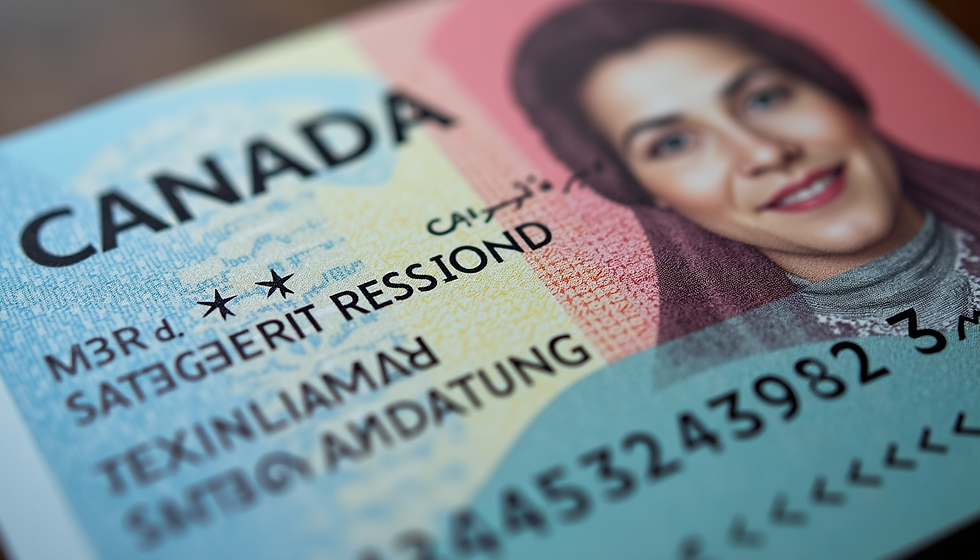
Your Permanent Resident (PR) card is proof of your status. It is essential to keep it valid. The PR card is usually valid for five years. You must renew it before it expires.
To renew your PR card, you must prove you meet the residency requirements. This means showing you have been physically present in Canada for at least 730 days in the last five years.
If you fail to meet the residency requirements, your renewal application may be refused. This can lead to losing your permanent resident status.
Tips for Meeting Residency Requirements
Meeting the residency requirements is easier with planning. Here are some practical tips:
Keep a travel diary: Record all your entries and exits from Canada.
Save travel documents: Keep boarding passes, tickets, and passports with stamps.
Plan your trips carefully: Avoid long absences that could jeopardize your residency.
Understand exceptions: If you travel for work or family reasons, check if your time abroad counts.
Apply for PR card renewal early: Start the process at least six months before your card expires.
By following these tips, you can avoid surprises and maintain your status smoothly.
What Happens If You Do Not Meet Residency Requirements?
If you do not meet the residency requirements, you may face consequences:
Your PR card renewal can be denied.
You may lose your permanent resident status.
You could be asked to leave Canada.
Your path to citizenship will be delayed or blocked.
If you receive a notice about residency issues, act quickly. You can appeal or provide evidence of your physical presence. Sometimes, exceptions or humanitarian grounds may apply.
It is best to consult with immigration experts if you face residency compliance problems. They can guide you through the process and help protect your status.
Final Thoughts on Canadian Residency Compliance
Understanding and following the residency requirements is crucial. It protects your right to live in Canada. It also opens doors to citizenship and other benefits.
Keep track of your time in Canada. Use the exceptions wisely. Renew your PR card on time. Plan your travels with residency rules in mind. Staying informed is the best way to secure your future in Canada.
Comments